The Rise of Pickleball in the Philippines: Why Everyone Suddenly Has a Paddle
There was a time when pickleball sounded like something you had to explain twice.
Today, it feels like every other group chat has someone asking where the next open play is.
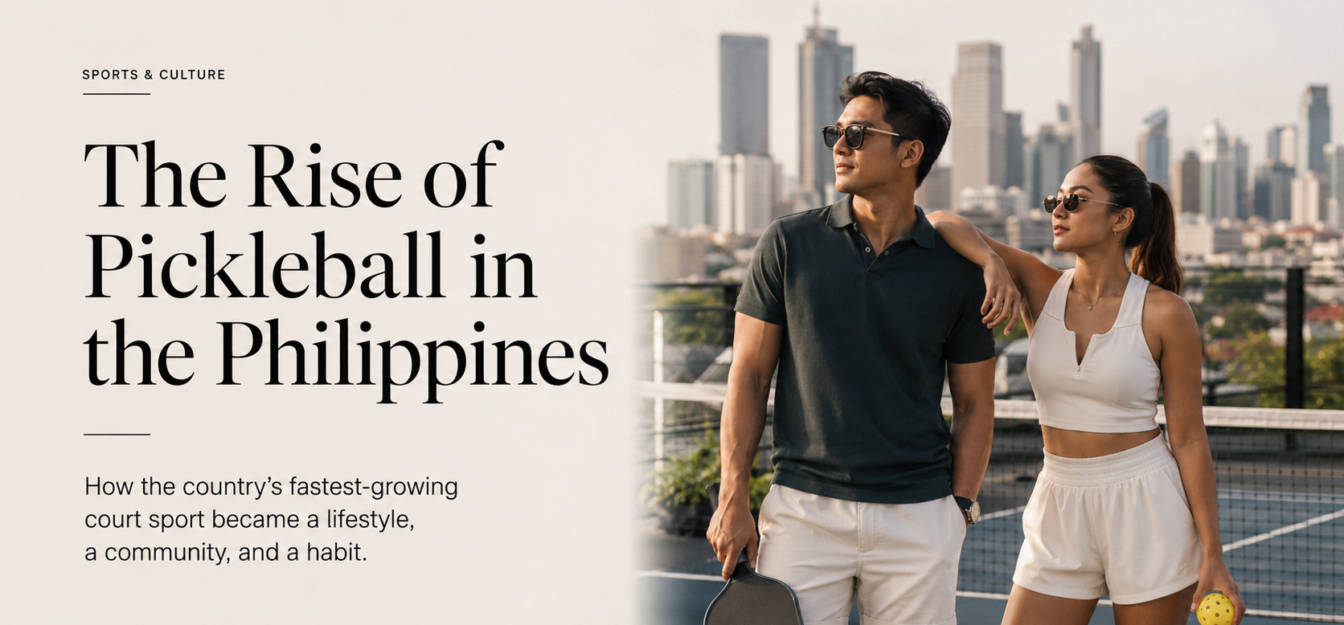
The sport has moved quietly but confidently through the Philippines. First through small communities, then through private courts, club nights, mall pop-ups, school gyms, tournament weekends, and now into the daily vocabulary of people who never thought they would be buying a paddle in the first place.
It is not hard to understand why. Pickleball is easy enough to try, social enough to enjoy, and competitive enough to keep you coming back. It does not demand the same physical intimidation as tennis. It does not feel as formal as badminton. It has the rhythm of a rally sport, the noise of a barkada activity, and the addiction of a game that always convinces you to say, “last na ’to.”
From Side Courts to Main Character Energy
The Philippine Pickleball Federation traces the country’s early pickleball roots to the mid-2010s, with early clinics, small play groups, and venues in places like Makati and Ortigas helping introduce the sport locally. What started as a niche activity slowly built its own ecosystem: beginners, coaches, club players, organizers, tournament directors, and eventually, serious competitors.
That is usually how a sport becomes real. Not because one celebrity posts about it. Not because one tournament goes viral. But because ordinary people start making room for it in their weekly schedule.
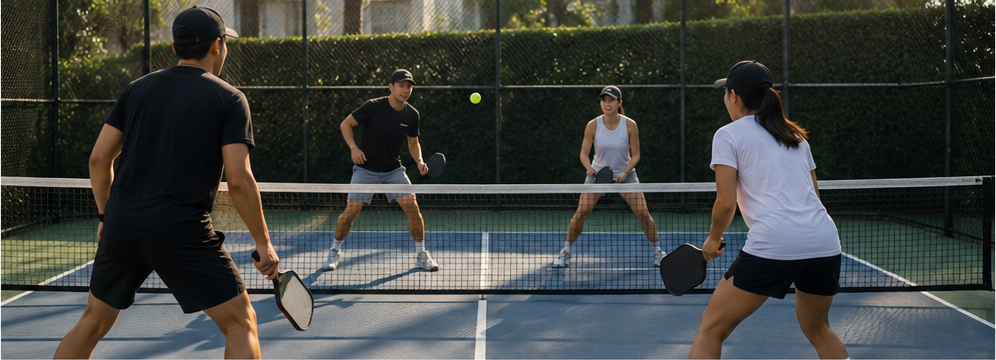
In the Philippines, pickleball found the perfect opening. People wanted something active, but not too intimidating. Competitive, but still friendly. Social, but not limited to one age group. A sport where titos, titas, students, former tennis players, badminton players, gym people, and complete beginners could all share a court and still have a good time.
The Filipino Version of Pickleball Hits Different
Like most sports that enter the local scene, pickleball did not stay imported for long. Filipinos gave it its own personality.
Here, it is not just “open play.” It becomes a small reunion. A mini tournament. A reason to stay out a little longer. A new excuse to buy shoes. A new excuse to message the group chat. A new reason to argue about line calls, laugh about missed dinks, and promise that the next game is really the last one.
The game itself is simple on the surface: serve, return, dink, attack, reset, survive. But the culture around it is what makes it grow. Pickleball has become less of a random hobby and more of a lifestyle marker. It says you are active, social, competitive, and probably already looking for your next schedule.
Why It Works So Well Here
Pickleball fits the Philippines because it respects two things Filipinos already love: community and competition.
You can play it casually with friends, but you can also take it seriously. You can show up as a beginner and still enjoy rallies. You can improve quickly enough to feel hooked. You can play doubles and make it social. You can join a tournament and suddenly feel like you are part of a bigger scene.
It is also more forgiving than many court sports. The court is smaller. The rallies can be longer. The pace can be adjusted depending on the players. That makes it easier for different ages and skill levels to share the same environment without feeling out of place.
This is the quiet genius of pickleball: it makes people feel included before it makes them feel competitive. Then, once the competitive side arrives, it arrives fast.
The Style Around the Sport Is Catching Up
Every sport eventually develops a look. Basketball has jerseys and sneakers. Running has singlets, watches, and race shirts. Golf has polos and caps. Pickleball, especially in the Philippines, is still building its visual identity.
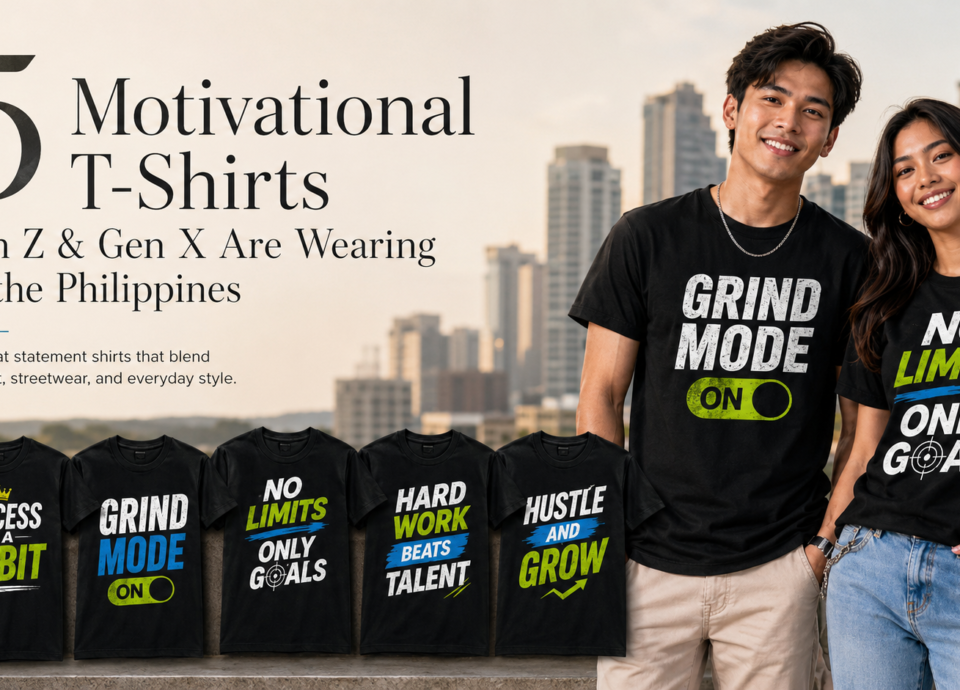
For now, the style sits somewhere between courtwear, casual streetwear, and inside jokes. Players want clothes they can actually wear before and after games. Nothing too serious. Nothing too try-hard. Just something that says, “Yes, I play,” without looking like a walking tournament poster.
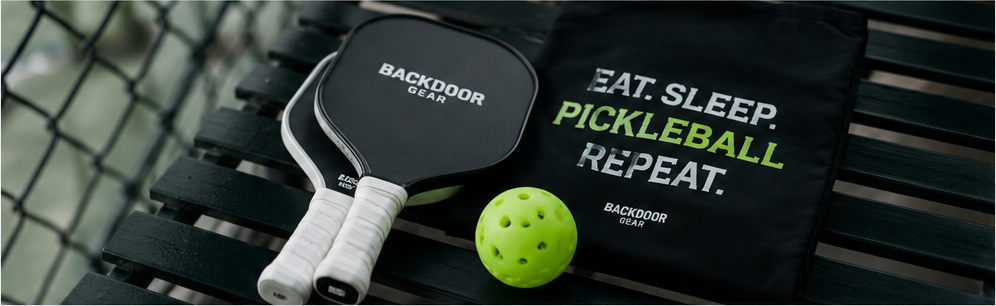
That is where the fun part begins. A shirt like
Eat Sleep Pickleball Repeat
works because it says what most players are already living.
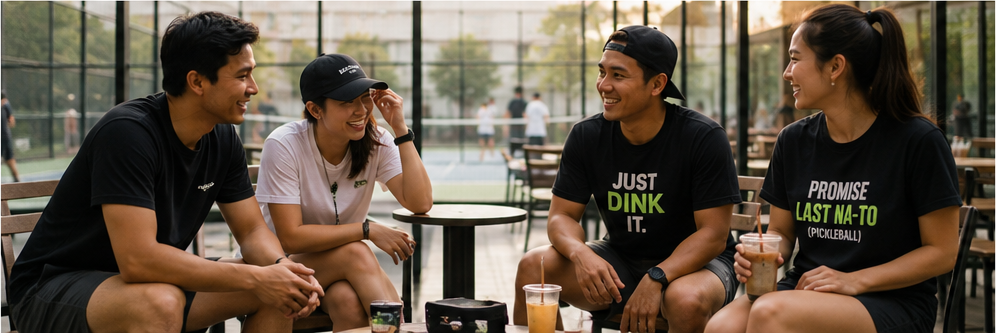
Just Dink It
feels like the kind of line only a player would appreciate.
Promise Last Na ’To
is practically a court confession.
None of these shirts need to scream. That is the point. The best pickleball pieces right now are not trying to look like uniforms. They feel more like proof that the game has already entered the player’s real life.
The Humor Is Part of the Game
Pickleball has a funny way of humbling people. You can be athletic and still miss an easy shot. You can be confident and still lose because of one bad decision at the kitchen. You can be up big and still collapse because your partner suddenly forgets how to reset.
That is why the culture has room for humor. A shirt like
Why I Lost At Pickleball
makes sense because everyone has an excuse. The paddle. The ball. The court. The sun. The wind. The partner. Almost never yourself.
Then there is the Filipino-specific side of it. The kind of shirt that does not feel translated, but actually local.
Nasa Work Ang Katawan, Nasa Court Ang Kaluluwa
works because it captures the new obsession perfectly. You are physically at work, but mentally, you are checking who is playing later.
Pickleball Is Becoming a Third Place
A “third place” is somewhere that is not home and not work, but still feels familiar. For a growing number of Filipinos, the pickleball court is becoming exactly that.
It is where people decompress after work. Where new friendships form. Where beginners get invited into groups. Where weekend plans are made. Where small rivalries begin. Where people who would otherwise never meet end up calling each other partners.
That social pull is one of the biggest reasons the sport is rising. Pickleball is not just selling exercise. It is selling belonging. And in a country where community matters, that is a powerful thing.
From Hobby to Habit
The first few games usually start with curiosity. Then comes the first paddle purchase. Then better shoes. Then a favorite court. Then a group chat. Then a tournament. Then another shirt. Then suddenly, pickleball is no longer something you “tried.” It is something you do.
That is the shift happening now in the Philippines. Pickleball is moving from hobby to habit. And once a sport becomes part of people’s routine, it becomes much harder to dismiss as a trend.
Final Serve
Pickleball’s rise in the Philippines is not just about a new sport becoming popular. It is about timing, community, accessibility, and personality all landing in the same place.
It gives people a reason to move, compete, laugh, dress casually, meet friends, and stay for one more game. Maybe that is why it is growing so fast. Not because it is the hardest sport to learn, but because it is one of the easiest sports to love.
And if the courts keep filling up, the group chats keep buzzing, and the “last game” keeps turning into three more, then pickleball in the Philippines is not just having a moment.
It is building a culture.