What is Pickleball?
Pickleball is an emerging sport that has captured the interest of players around the globe, including the Philippines. It combines elements from three popular sports: badminton, tennis, and table tennis, which contributes to its wide appeal. The game was invented in the mid-1960s on Bainbridge Island in Washington, USA, by a group of friends seeking to create a fun, engaging activity for their families. Over the years, pickleball has evolved and expanded as a competitive sport, boasting a unique blend of strategy, quick reflexes, and social interaction.
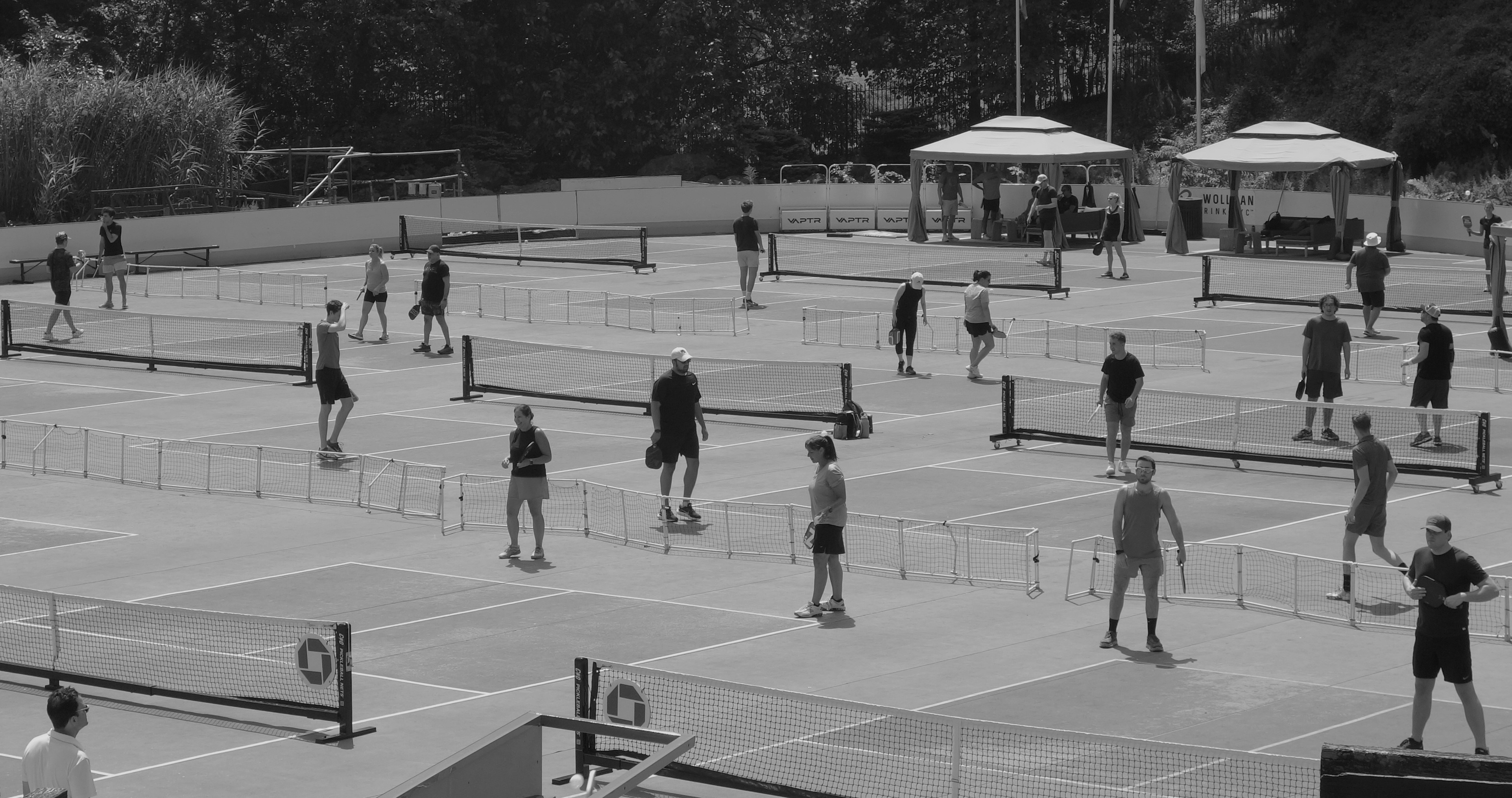
The basic rules of pickleball are straightforward, making it easy for beginners to learn quickly. The game is played either as a singles or doubles match, with players using solid paddles to hit a perforated plastic ball over a net set at a height of 34 inches. A distinctive feature of the game is the ‘kitchen’ area—a seven-foot non-volley zone near the net that promotes strategic play and encourages players to engage rather than rely solely on power shots.
Pickleball matches are played to 11 points, requiring players to win by at least two points. The sport can be played indoors or outdoors, on a court that resembles a smaller version of a tennis court, making it an ideal choice for various environments. Regardless of age or skill level, pickleball provides opportunities for players to develop their athletic abilities while fostering community spirit. Given its accessibility and low learning curve, it has quickly gained popularity among individuals of all ages, further solidifying its status as a cherished sport in recreational hubs.
History and Background of Pickleball in the Philippines
Pickleball, a sport that merges elements of tennis, badminton, and table tennis, has found a unique niche in the Philippines. Its introduction can be traced back to the early 2010s, driven by an increasing interest in non-traditional sports. Although it originated in the United States in 1965, the game gradually made its way to the archipelago, where it was embraced for its simplicity and accessibility.
The sport began gaining traction in urban areas, particularly in Metro Manila, where lifestyle changes and a growing desire for engaging recreational activities spurred its popularity. Various community centers and recreational parks started to incorporate pickleball courts, providing a platform for both casual players and those eager to compete.
One of the pivotal moments in the growth of pickleball in the Philippines was the establishment of national organizations dedicated to promoting the sport. The Philippine Pickleball Federation (PPBF), founded in 2018, has played a crucial role in formalizing the sport’s structure within the country, organizing tournaments, and encouraging local clubs to start their programs. Their efforts have included coaching clinics and collaborative events with international organizations, aiming to elevate the skill level of Filipino players and engage more people in the sport.
Key influencers in this trend include former athletes and sports personalities who have openly endorsed pickleball. Their advocacy has not only raised awareness but also attracted a wider demographic, from young individuals to seniors looking for enjoyable ways to stay active. As such, pickleball’s rise reflects not just a growing sport but also a cultural shift toward inclusive and engaging recreational activities. The momentum it has gained raises promising prospects for its future in the Philippines.
Reasons for the Growing Popularity of Pickleball
Pickleball has witnessed a remarkable surge in popularity in the Philippines, driven by several compelling factors that contribute to its appeal among diverse demographics. One significant aspect of pickleball is its considerable health benefits. The game combines elements of tennis, badminton, and table tennis, providing an excellent cardiovascular workout while enhancing agility, coordination, and balance. This multifaceted nature of the sport allows players to engage in physical activity without it feeling overly strenuous, making it particularly attractive to varying age groups.
Furthermore, the social aspect of pickleball plays a crucial role in its rising following. The game is inherently designed for social interaction, encouraging camaraderie among players who often come together in both competitive and recreational settings. Pickleball fosters a welcoming environment that breaks down barriers, allowing new players to easily join established communities. These social connections not only enhance the gaming experience but also create a supportive network that motivates individuals to participate more regularly.
Another factor contributing to the game’s rapid ascent in popularity is the community-building aspects of pickleball. As more clubs and recreational facilities emerge, they extend invitations to individuals of all skill levels. The inclusive nature of pickleball ensures that everyone—regardless of prior experience—can feel confident participating. This welcoming spirit promotes greater engagement and encourages players to invite friends and family to join as well, thereby amplifying the game’s reach.
In sum, the rise of pickleball in the Philippines can be attributed to its health benefits, emphasis on social interaction, and community-building attributes, creating a rich environment for players to thrive and enjoy the game.
Younger Generations Embracing Pickleball
As the popularity of pickleball grows across the globe, the Philippines is witnessing a noteworthy surge in interest among its younger population. Various factors contribute to this trend, including the incorporation of pickleball into school sports programs and university athletic departments. Educational institutions are recognizing the game’s appeal, particularly due to its accessibility and engaging nature. This strategic integration not only promotes physical fitness but also fosters social interaction and teamwork among students.
Numerous schools and universities have started hosting pickleball tournaments, allowing students to compete in a friendly and supportive environment. Such events not only cultivate sportsmanship but also introduce more young Filipinos to the joys of this paddle sport. Universities are also establishing clubs dedicated to pickleball, providing an avenue for students to learn the game, meet peers, and participate in organized activities. This increased exposure highlights the game’s growing appeal as a recreational activity, capturing the attention of both beginners and seasoned athletes alike.
Youth organizations are also playing a pivotal role in promoting pickleball at the grassroots level. Through community outreach programs and workshops, these organizations are helping to disseminate knowledge about the sport. They often emphasize the benefits of pickleball, such as enhanced hand-eye coordination, agility, and cardiovascular fitness, making it an attractive option for young players of all skill levels. Programs that provide free lessons and equipment ensure that pickleball is accessible to everyone, further broadening the sport’s appeal among the youth.
Pickleball Tournaments and Events in the Philippines
In recent years, there has been a notable increase in the organization of pickleball tournaments and events across the Philippines. This surge in activities is a reflection of the growing enthusiasm for pickleball as both a competitive sport and a social pastime. Various communities and sports organizations have taken the initiative to arrange tournaments, encouraging players of all skill levels to participate.
Local tournaments are often hosted at community centers, sports clubs, and educational institutions, allowing players to showcase their skills in a structured environment. These events vary in scope and scale, with some attracting participants from different regions, thereby fostering a sense of camaraderie among players. Participation rates have been encouraging, as many players are eager to engage in healthy competition, while also enjoying the social aspects of the game.
Notable successes in local pickleball tournaments have been recorded, with some events seeing a significant turnout. Rising talents have emerged, further enriching the local pickleball scene. For instance, some players have demonstrated impressive skills that have earned them recognition not just locally, but also in regional competitions. The widespread interest in these tournaments illustrates pickleball’s growing popularity in the country.
Moreover, the Philippine Pickleball Association has played a crucial role in promoting competitive play, helping to establish standardized rules and organizing seasonal tournaments that appeal to a wider audience. These efforts exemplify the increasing dedication towards developing pickleball as a legitimate sport within the Philippines. As the community continues to expand, it is anticipated that more comprehensive and larger events will be organized, further enshrining pickleball’s presence in the Philippine sporting landscape.
Challenges Facing Pickleball Growth
As pickleball continues to surge in popularity across the globe, its growth in the Philippines faces several unique challenges that could impede its potential. One of the primary issues is the lack of adequate infrastructure to support the sport. While urban centers may have access to some recreational facilities, many regions still lack dedicated pickleball courts, which limits opportunities for people to engage with the sport. The existing facilities are often designed for other sports, which may not accommodate the specific requirements of pickleball, thereby diminishing the experience for players.
Another significant barrier is the limited access to courts. In areas where pickleball is gaining interest, shared facilities can become overcrowded, making it difficult for enthusiasts to practice or play regularly. This challenge is compounded by the reliance on other sports occupying the same spaces, such as badminton and tennis, which often take precedence in terms of scheduling and resources. Hence, providing designated pickleball venues and scheduling could foster greater participation and improve the game’s overall visibility.
Public awareness of pickleball is another critical area that requires attention. Many potential players are unaware of the game’s existence, its rules, and its benefits. Initiatives to promote the sport through community programs, workshops, and exhibitions can help bridge the knowledge gap. Building an informed community can galvanize interest and drive involvement at various levels, from recreational to competitive play. To navigate these challenges effectively, a concerted effort is essential, entailing collaboration among stakeholders, including sport governing bodies, local communities, and sponsors, to create a supportive environment for pickleball’s growth.
Getting Started with Pickleball
Starting your pickleball journey in the Philippines can be an exciting venture, and knowing where to begin is crucial. First, you’ll need to find local courts. Many sports complexes, community centers, and parks are now adopting pickleball due to its growing popularity. You can check local directories or community boards for available facilities. Additionally, websites like USA Pickleball have tools to locate courts based on your area, which can be especially useful for beginners.
Next, you will need basic equipment to play pickleball. The essential items include a paddle, a net, and pickleballs. Paddles come in a variety of materials and price ranges, so it is advisable to try different types to see what feels best in your hands. Initially, you could opt for a more affordable paddle; however, as you progress, you might consider investing in a high-quality option that suits your playing style. Pickleballs can also vary slightly in weight and material, so be sure to choose those specifically designed for outdoor or indoor play, depending on where you intend to practice.
Joining local clubs or community groups can greatly enhance your pickleball experience. Community centers often host recreational leagues, classes, and open play times. This is a wonderful way of meeting fellow enthusiasts, learning the game’s nuances, and perhaps even finding a mentor. Additionally, social media platforms and sports forums frequently feature local pickleball groups, where you can connect with other players, share experiences, and participate in competitive events.
Lastly, for new players, understanding the basic rules and techniques is important. You might want to consider watching instructional videos online or attending beginner classes to familiarize yourself with fundamental skills like serving, receiving, and rallying. Most importantly, remember that practice will help refine your abilities, and having fun should always be a priority as you embark on your pickleball journey.
Community and Social Impact of Pickleball
In recent years, pickleball has emerged not only as a popular sport in the Philippines but also as a catalyst for community engagement and social connectivity. This paddle sport, known for its accessibility and low barrier to entry, has attracted a diverse group of participants across different ages and backgrounds. As more individuals embrace pickleball, local communities have begun to witness significant positive changes in their social structures.
One of the most notable impacts of pickleball is its ability to foster friendships and social ties. Regular play sessions encourage interaction, leading to the development of camaraderie among participants. Players often gather in casual, park-like settings, transforming a simple game into a communal event. This aspect of social sport not only aids in forging friendships but also nurtures a sense of belonging and inclusion among players. Consequently, people feel more connected to their neighborhoods, which enhances community spirit.
The physical aspect of playing pickleball also complements its social benefits. Participation in this sport promotes physical fitness, which is integral to mental health. Regular players tend to experience improved physical stamina, agility, and overall well-being. As individuals engage in gameplay, they are likely to experience a decrease in stress levels, which in turn bolsters mood and mental clarity. This dual benefit of social interaction and physical activity creates an environment where individuals can improve both their physical and mental health simultaneously.
The rise of pickleball in the Philippines, therefore, is more than a sporting trend; it embodies a movement towards healthier lifestyles and stronger community bonds. As more people participate in this engaging sport, the positive impact it has on community cohesion and social ties continues to grow, illustrating the transformative role of recreational activities in modern society.
The Future of Pickleball in the Philippines
The future of pickleball in the Philippines appears promising, with various factors contributing to its anticipated growth. As more Filipinos learn about the game, the sport is gaining traction not only among enthusiasts of racquet sports but also within communities that prioritize fitness and social interaction. The trend is bolstered by an increasing number of pickleball clubs and recreational facilities, making this sport more accessible to a broader audience.
Emerging players and leagues are likely to become pivotal in shaping the sport’s trajectory. As interest expands, the potential for local talent to showcase their skills at higher levels opens up. This growth can encourage the formation of semi-professional leagues, where players can compete more regularly and gain recognition, both locally and internationally. As such opportunities arise, it is expected that a surge in sponsorships and partnerships with local businesses will follow, contributing to a structured development of the sport.
Moreover, collaborations with established sports organizations in the Philippines can lead to more comprehensive training programs and coaching certifications. These partnerships can facilitate the creation of grassroots initiatives aimed at introducing pickleball in schools and community centers, fostering early interest and engagement. Media coverage is also likely to increase as the sport gains popularity, further enhancing its visibility and attracting new players.
In addition to domestic growth, the Philippines has the potential to become a host for regional pickleball tournaments, promoting cross-cultural exchanges and boosting local tourism. As more international players participate, Filipino athletes will benefit from exposure to different playing styles and strategies, enriching their own skills.
In conclusion, as pickleball continues to proliferate across the nation, the committed support from current players and stakeholders will be crucial. With foresight and collaboration, the sport can solidify its place within the vibrant sports culture of the Philippines, paving the way for exciting developments in the years to come.